Coffee Beans & Roast
Bean choice is the first real upgrade for most home coffee drinkers — and the most confusing. This section explains it simply: what separates Arabica, Robusta and specialty coffee, how roast level changes acidity, sweetness and body, and how to read origin, processing and freshness without the jargon.
The aim is to match beans to your brew method and taste, not to chase the most expensive bag. Start here, then pair what you learn with the brewing and gear guides to get more out of every cup.

Home Roasting Curiosity Guide: What Beginners Should Understand Before Buying Equipment
Roasting your own coffee at home is more accessible than it looks — but it helps to understand the process before spending on gear. This guide walks through what actually happens in a roast, what to expect, and how to explore it cheaply before committing.

Coffee and Food Pairings: Match Acidity, Sweetness, Roast, and Texture for a Better Breakfast
The right coffee can make breakfast taste brighter, richer, or more balanced — or fight it. Here is a simple framework for pairing coffee with food using acidity, sweetness, roast, and texture, so your morning cup and your plate work together.

How to Build a Coffee Tasting Vocabulary Without Sounding Pretentious
Describing what you taste helps you buy better coffee and enjoy it more — but the flowery language can feel silly. This guide gives you a simple, honest vocabulary for coffee, built on structure instead of showing off.

How to Buy Coffee From a Local Roaster: Freshness, Roast Dates, Subscriptions, and Questions to Ask
Buying from a local roaster is the easiest upgrade most home coffee drinkers can make, but the racks of bags can feel intimidating. This guide walks you through roast dates, freshness, subscriptions, and the handful of questions that get you beans you'll actually love.
A Practical Guide to Decaf: Processing Methods, Flavor Expectations, and Who May Prefer It
Decaf has quietly gotten much better, but it is still widely misunderstood. Here is how the caffeine actually gets removed, what to realistically expect from the flavor, and the situations where reaching for decaf is the smart call rather than a compromise.
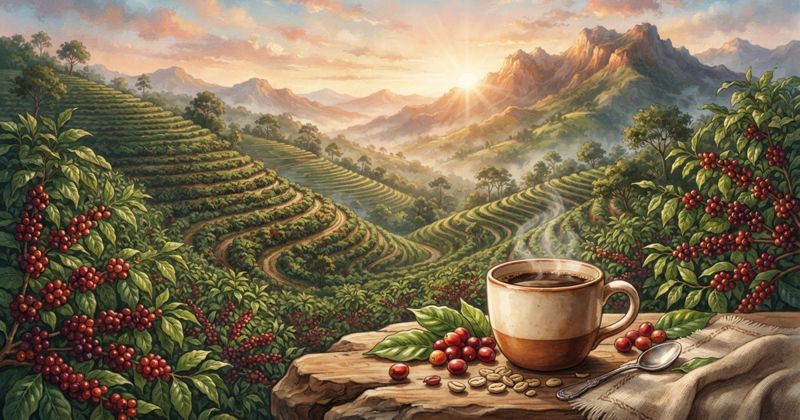
How Altitude, Variety, and Origin Affect Coffee Flavor: A Label-Reading Guide Beyond Country Names
The country name on a coffee bag is only the beginning of the story. Learn how growing altitude, botanical variety, and specific origin details shape the flavor in your cup, and how to read a label like someone who knows what to look for.
Best Coffee Beans for Espresso, Pour-Over, Cold Brew, and French Press
There is no single best coffee bean, only the best one for how you brew. We match roast level, origin, and processing to espresso, pour-over, cold brew, and French press so each method delivers what it does best.
Caffeine in Coffee: What Affects It More Than You Think
There is no single caffeine number for a cup of coffee. We break down what really drives it: dose, bean type, brew method, and serving size, plus the roast myth, the espresso-vs-drip surprise, and why decaf isn't zero.
Washed vs Natural vs Honey Process Coffee Explained
The processing word on a coffee bag predicts its flavor. We explain washed, natural, and honey processing, how fruit contact during drying shapes sweetness, clarity, and funk, and how to use it to pick beans you'll love.
How to Store Coffee Beans So They Stay Fresh Longer
Coffee is a fresh food that stales through oxygen, light, heat, and moisture. Learn the right container and spot, why whole beans beat ground, how to freeze beans correctly, and the simplest freshness fix of all.
Low-Acidity Coffee: Trend, Taste Preference, or Marketing Claim?
Acidity in coffee means two different things, which is why low-acid claims confuse everyone. We unpack roast level, brewing, the stomach-comfort question, and the real taste trade-off so you can choose a gentler cup with eyes open.
Traceable Coffee Beans: Why More Roasters Are Talking About Origin, Process, and Farm Data
Single-origin, direct trade, processing method, farm data: traceability is everywhere on coffee bags. We explain what it really means, why roasters lean into it, the greenwashing risk, and how to read a label like a skeptic.
Roast Levels Explained: Light, Medium, Dark and Flavor Notes
Roast level decides whether your coffee tastes bright and fruity or bold and chocolatey, long before brewing. Here is how light, medium and dark really change the cup.
Arabica vs Robusta vs Specialty Coffee: What's the Difference?
Coffee quality isn't just Arabica versus Robusta. Freshness, roast, processing and brewing matter too. Here's the plain-English breakdown.
Best Coffee Beans for Beginners: How to Choose Beans You'll Love
The best beans aren't the priciest ones. They're the ones that match your brew method, roast taste, and freshness window. Here's how to find yours.